
You may never open a terminal, but coding agents change what custom software costs and how fast you see it. What to know, and what to ask your developer.
Claude Code is a tool developers use to build software with Claude. You describe what you want, and it reads the project, writes and changes code, runs it, tests it and explains what it did. A developer supervises, reviews and decides.
You don’t need to use it yourself to feel its effects. If you are paying for a website, a booking system or a small internal app, it changes the economics.
What it is good at
- Producing a working first version quickly, so you can react to something real instead of a document.
- Repetitive building work: forms, settings pages, data imports, the hundred small screens every app needs.
- Reading an unfamiliar project and explaining how it works.
- Writing tests that check the software keeps doing what it should.
What it still needs a person for
Deciding what to build. A coding agent will build what it is asked for, quickly. It won’t know that your front desk staff hate the extra click, or that half your clients book from their phone in a parking lot.
Judgement about risk. Payment flows, personal data and anything connected to the outside world need careful human review.
Taste and plain language. Good software reads clearly and feels calm to use. That still comes from people who care about the person on the other end.
The tool makes building fast. Knowing what is worth building is still the hard part.
How the tool has been changing
Anthropic updates Claude Code weekly. This year it gained a mode where safe actions run without constant permission prompts while risky ones are blocked, the ability to run longer jobs in the background and in the cloud, and, in July, a screen reader mode that presents the interface as plain text for tools like VoiceOver and NVDA. In September it gained a way to test add-ons against a set of examples before relying on them.
What to ask your developer
- Can I see a working version in the first week or two?
- How do you check what the AI wrote before it reaches my customers?
- Who owns the code, and could another developer take it over?
- Where is my data during the build, and is any of it sent to AI tools?
Good answers to those four questions matter far more than which tools someone uses.
From the DYOL blog. Photo by Florian Olivo on Unsplash.
Keep reading
All posts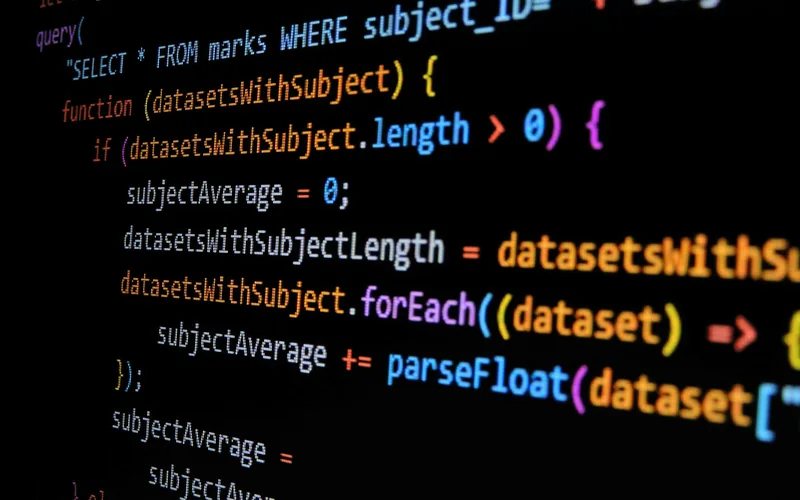
What’s new in Claude Code: the late-summer releases that matter
Sessions that talk to each other, design in the terminal, background computer use and a way to test plugins. Here is what changed and why it matters.

What’s new in AI this autumn, in plain language
Cheaper fast models, agents that run on a schedule and new rules on labelling AI. A short tour of what changed and what it means for a small team.

Claude Opus, Sonnet and Haiku 5.5: which one does what
Anthropic shipped three new models in three weeks. A plain guide to the differences, and how to choose between them for real business tasks.
A free 20-minute conversation, then an honest assessment. You’ll know what it costs and how long it takes, in writing, at a fixed price.
Or email lloyd.delacruz@outlook.com. We reply within 24 hours.