

What’s new in Claude Code: the late-summer releases that matter
Sessions that talk to each other, design in the terminal, background computer use and a way to test plugins. Here is what changed and why it matters.
Read the postBlog
Claude, Claude Code, MCP, voice and vision, and how new tools change the everyday work of a café, a clinic or a consultancy. Short reads, no jargon.
Sessions that talk to each other, design in the terminal, background computer use and a way to test plugins. Here is what changed and why it matters.
Read the post25 posts

Cheaper fast models, agents that run on a schedule and new rules on labelling AI. A short tour of what changed and what it means for a small team.

Anthropic shipped three new models in three weeks. A plain guide to the differences, and how to choose between them for real business tasks.

Agents can now wake up at 7 a.m., check something and report back. What that looks like in a café, a clinic or a club, and where to be careful.

Most developers now use AI every day, and most only trust it when they can check it. What Stack Overflow’s survey tells business owners hiring developers.

The Model Context Protocol dropped sessions, tightened sign-in rules and made long tasks official. What changed, and why it makes AI connections easier to run.

Software doesn’t have to be big to matter. Small, well-placed tools remove the steps people repeat a hundred times a week.

Open speech-to-text models now run on modest hardware and handle many languages. Practical uses for phones, notes and orders, and what to watch for.

September brought Cowork to every conversation, memory across chat and Cowork, and a Salesforce connection in beta. What that means for everyday office work.

Most small businesses run on six to ten apps that don’t share anything. How integrations work, what they cost in effort, and where to start.

Facial recognition is cheap to buy and easy to switch on. In Canada it involves sensitive personal information, and the bar for using it is high.

You may never open a terminal, but coding agents change what custom software costs and how fast you see it. What to know, and what to ask your developer.
Booking tools are easy to buy and easy to get wrong. The details that cut phone tag, no-shows and double bookings, for any business that runs on appointments.

Buy what fits, build what doesn’t. Five questions that help a small business choose, and the common mistakes in both directions.

AI can now read scanned forms, IDs, receipts and letters well. Where that saves hours, and the checks that keep it safe.

Most dashboards are built once and ignored. How to build one around the questions your team asks every week, so it becomes part of the routine.

Cameras and AI can count, read and check things without recognising people. Useful examples for shops, cafés, clinics and clubs.

Everyone is talking about agents. What the word actually means, what an agent can safely do for a small business today, and what it can’t.

Anthropic’s computer use tool left beta in August, alongside a new browser tool. What it means for businesses stuck with software that won’t connect to anything.

The Model Context Protocol is how AI assistants connect to calendars, files and databases. What it is, why it caught on, and what it lets a small business do.

Better results from AI rarely need clever tricks. Five habits that help any business owner get useful drafts, summaries and answers the first time.

AI tools are useful and easy to adopt. A practical checklist for small businesses on what to share, which settings to check and how to set team rules.

Captions, alt text and plain-language rewrites are now quick to make. How to use AI for accessibility, and what still needs a person.

Europe’s AI Act reached its general application date on August 2. What the transparency rules ask for, and simple habits worth adopting even where they don’t apply.
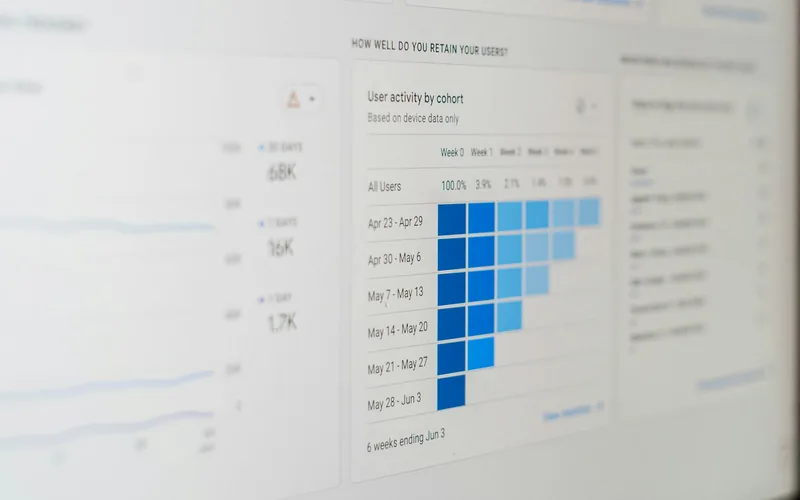
Spreadsheets run a lot of small businesses, and that’s fine until it isn’t. Signs you have outgrown one, and how to move without losing what works.
A free 20-minute conversation, then an honest assessment. You’ll know what it costs and how long it takes, in writing, at a fixed price.
Or email lloyd.delacruz@outlook.com. We reply within 24 hours.