Open speech-to-text models now run on modest hardware and handle many languages. Practical uses for phones, notes and orders, and what to watch for.
Speech recognition used to mean shouting a name three times at a phone menu. That has changed. Turning speech into text is now accurate, fast and inexpensive enough to build into everyday business tools.
What changed this year
Several strong models were released openly in 2026, which means a business can run them on its own hardware instead of sending audio to someone else’s servers. In January, Alibaba’s Qwen team released Qwen3-ASR, which handles 52 languages and dialects. In March, Cohere released Cohere Transcribe, an open model built for transcription that it says can run on consumer-grade graphics cards and supports 14 languages. OpenAI’s Whisper models remain widely used too.
The practical result: good transcription is no longer only available as a paid cloud service, and it works in more languages than before.
Where it helps a small business
- Phone orders and enquiries: a call can become a written order or a summary in your inbox, so nothing depends on someone’s handwriting.
- Notes after a meeting or visit: speak for two minutes in the car, get a tidy draft to check and file.
- Multilingual clients: transcribing and then translating a voicemail helps a team respond to clients in their own language, with a fluent person checking anything important.
- Accessibility: live captions for videos and events make them usable for people who are deaf or hard of hearing, and for anyone watching without sound.
What to watch for
Voice is personal information. Before recording calls, people need to be told, and in many cases they need to agree. Decide how long recordings are kept, and whether you need the audio at all once the text exists.
Accuracy varies. Accents, background noise, names and technical terms still trip models up. A café kitchen is noisy; a clinic uses unusual words. Anything important, like a dose, a date or an address, should be read back or checked.
Keep a person in the loop for decisions. A transcript is a draft of what was said. It is not a record of what was agreed until someone confirms it.
Use voice to capture the information. Use a person to confirm what matters.
A good first project
Pick one place where information is spoken and then retyped. Phone orders and post-visit notes are common ones. Try transcription there, measure how often the draft needs correcting and decide from real numbers.
Sources
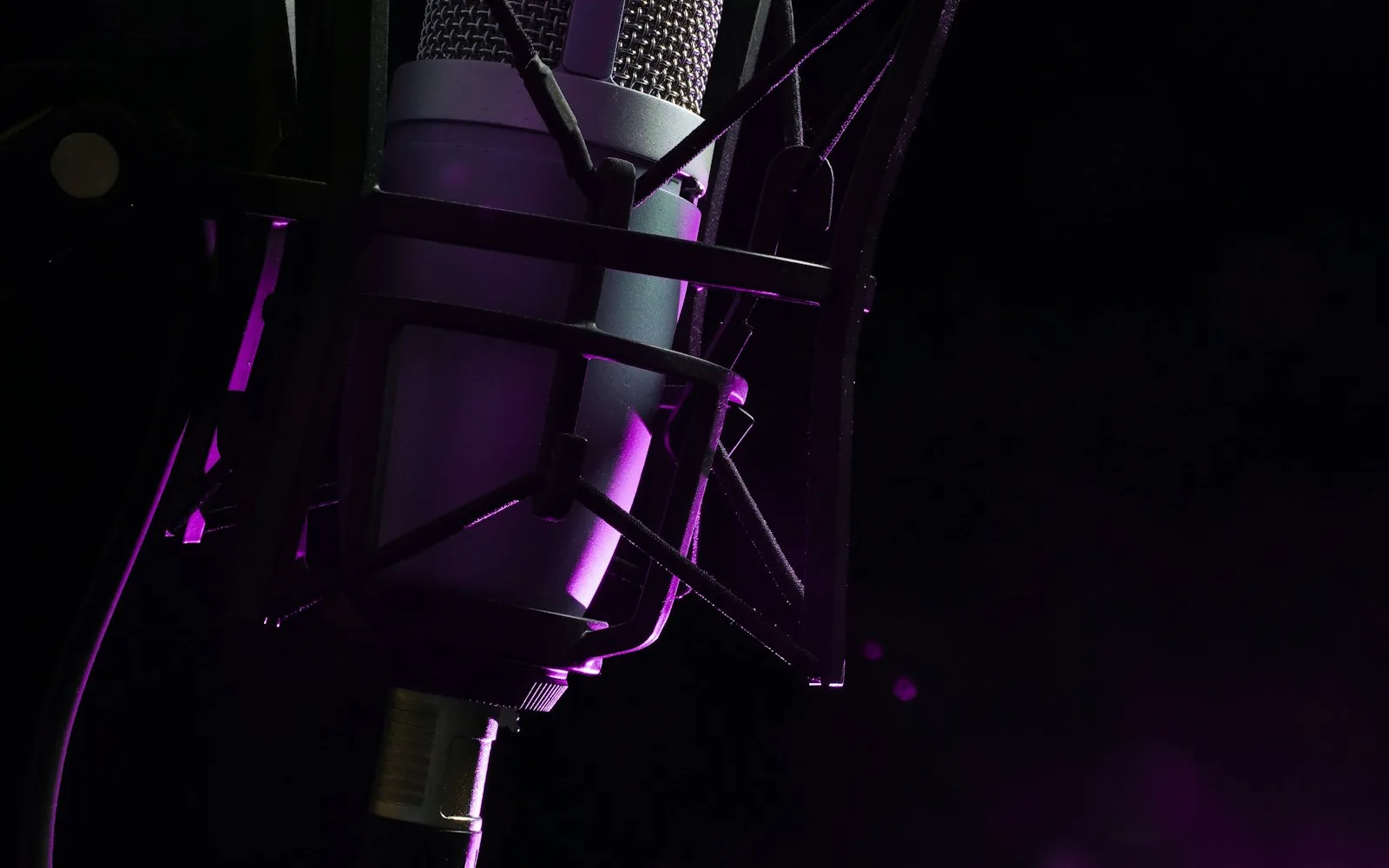
From the DYOL blog. Photo by Pasqualino Capobianco on Unsplash.
Keep reading
All posts
Face recognition at your business? Read this first
Facial recognition is cheap to buy and easy to switch on. In Canada it involves sensitive personal information, and the bar for using it is high.
Everyday computer vision that doesn’t identify anyone
Cameras and AI can count, read and check things without recognising people. Useful examples for shops, cafés, clinics and clubs.
What’s new in Claude Code: the late-summer releases that matter
Sessions that talk to each other, design in the terminal, background computer use and a way to test plugins. Here is what changed and why it matters.
A free 20-minute conversation, then an honest assessment. You’ll know what it costs and how long it takes, in writing, at a fixed price.
Or email lloyd.delacruz@outlook.com. We reply within 24 hours.